OUR SERVICES
Professional floor sanding and restoration services
We provide complete wooden floor sanding, restoration, repair and finishing services for residential and commercial properties across London.
From worn floorboards and damaged parquet to newly installed wooden flooring, every project is carefully assessed and completed using professional equipment and suitable finishing products.
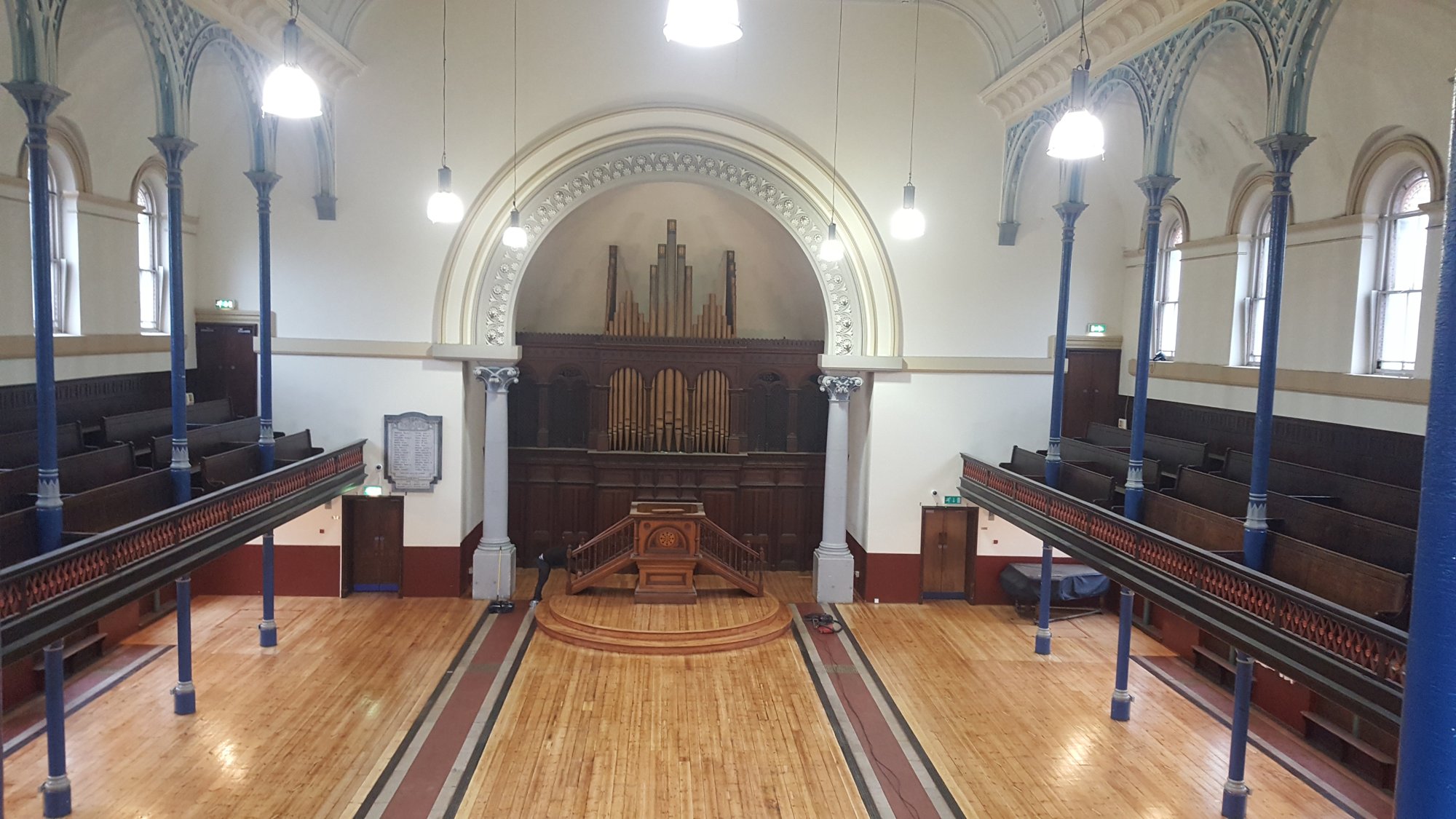
COMPLETE WOODEN FLOOR CARE
Everything your wooden floor needs
Wooden floors can often be restored even when they appear heavily worn, scratched or uneven.
Our services cover every stage of the process, including inspection, repairs, sanding, gap filling, staining and the application of a protective finish.
We work with traditional floorboards, parquet, herringbone, hardwood and softwood flooring, adapting the process to the type and condition of the wood.
WHAT WE DO
Our floor sanding and restoration services
Each service can be provided individually or as part of a complete floor restoration project.
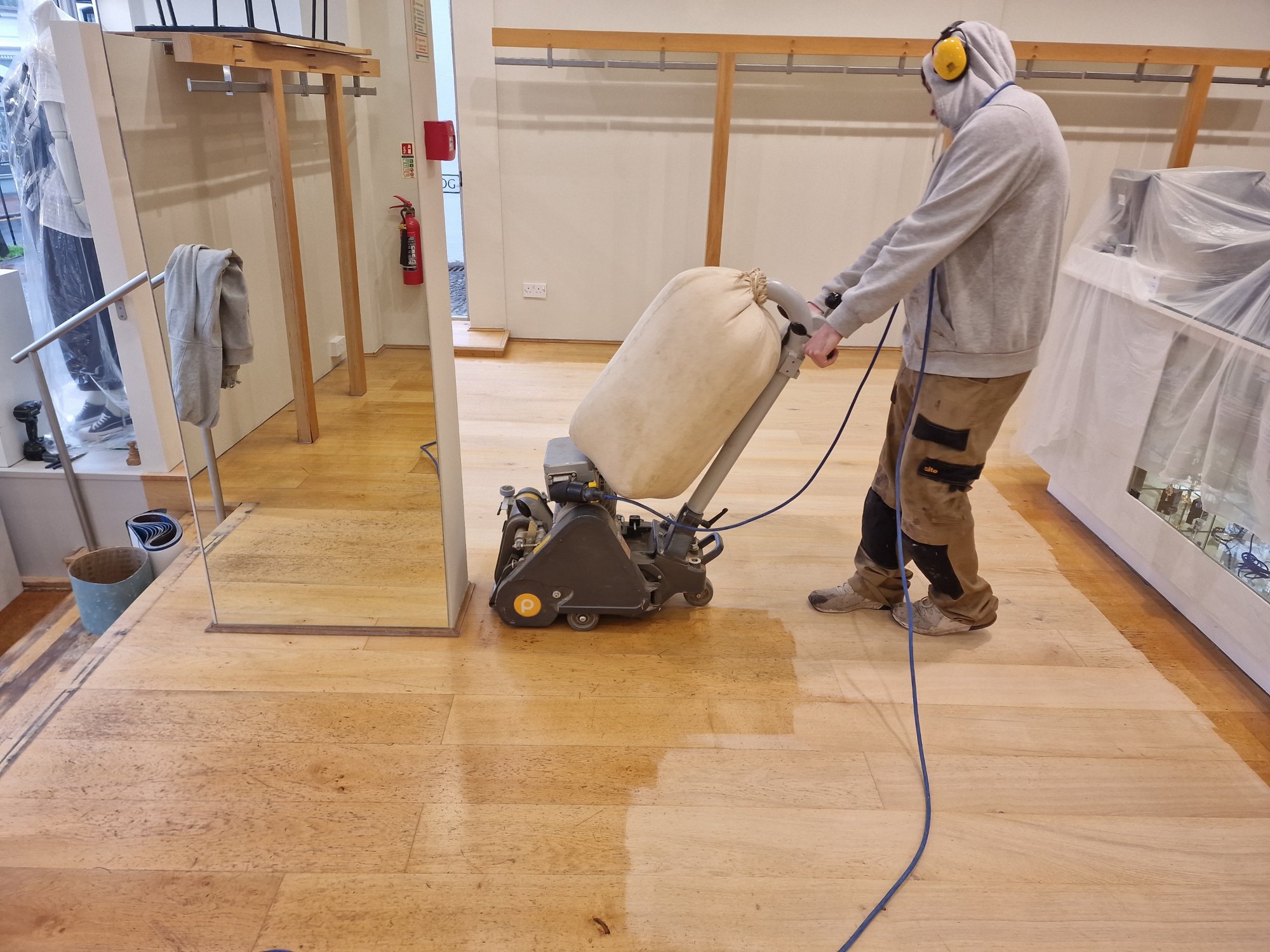
Floor sanding
Professional sanding removes old varnish, paint, scratches, stains and surface damage.
The floor is sanded in several stages using different grades of abrasive material to create a smooth and even surface ready for finishing.
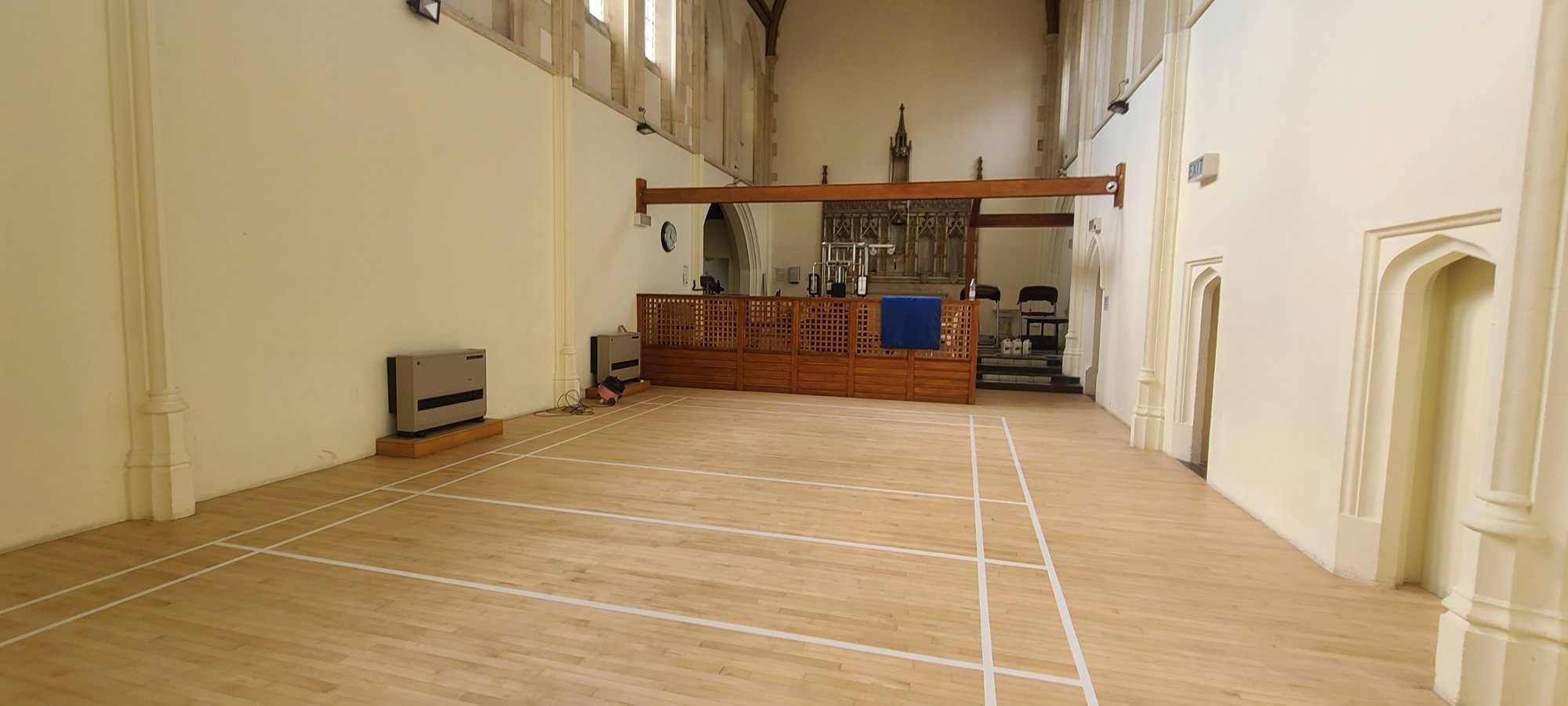
Floor restoration
Our complete restoration service is suitable for old, neglected or heavily worn wooden floors.
It may include repairs, gap filling, sanding, staining and finishing, depending on the condition of the floor
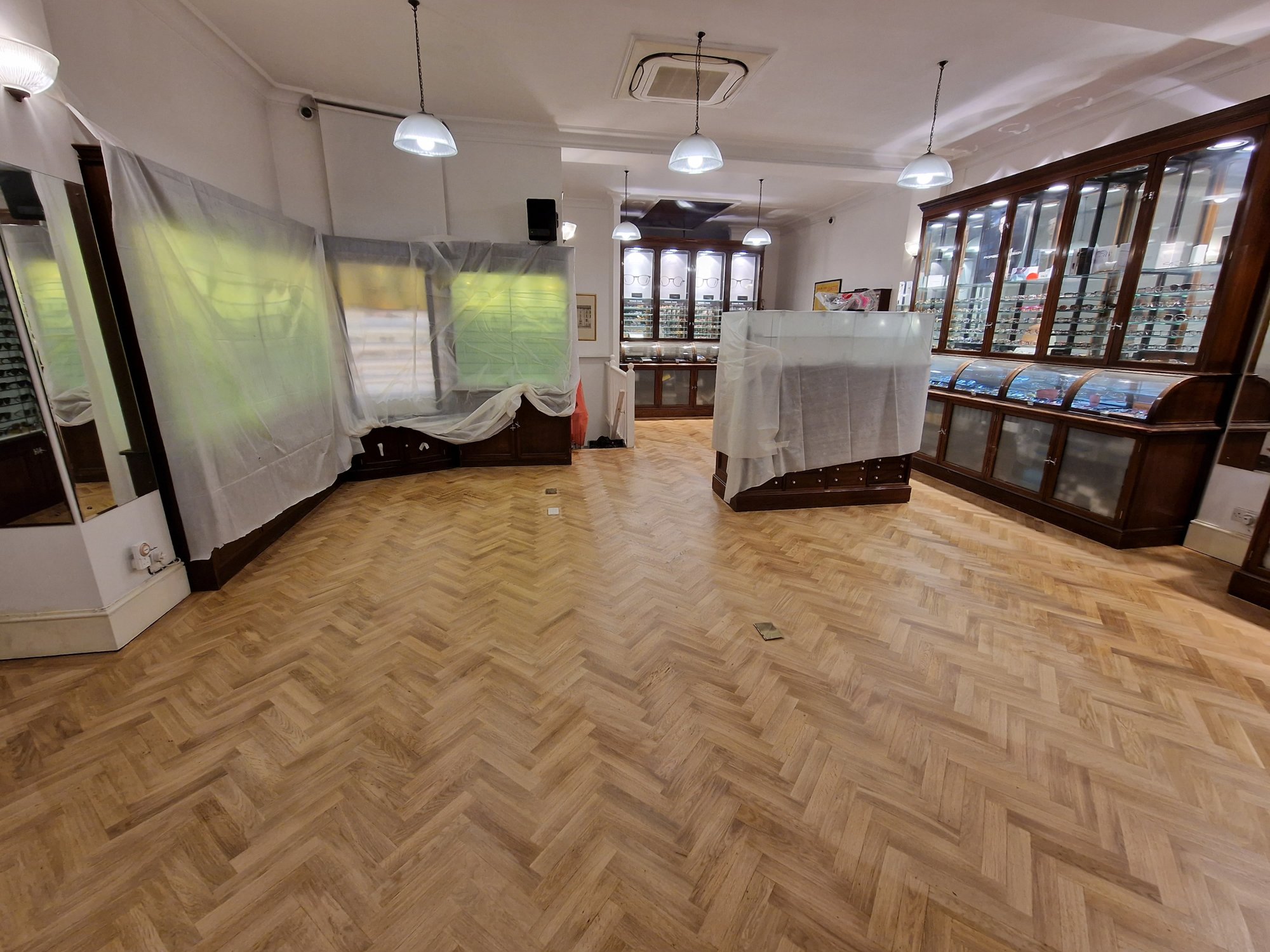
Parquet floor sanding
Parquet and herringbone floors require careful sanding to protect the pattern and avoid damaging the individual blocks.
We restore traditional and modern parquet flooring, including loose-block repairs, sanding, staining and protective finishing.
Floorboard repairs
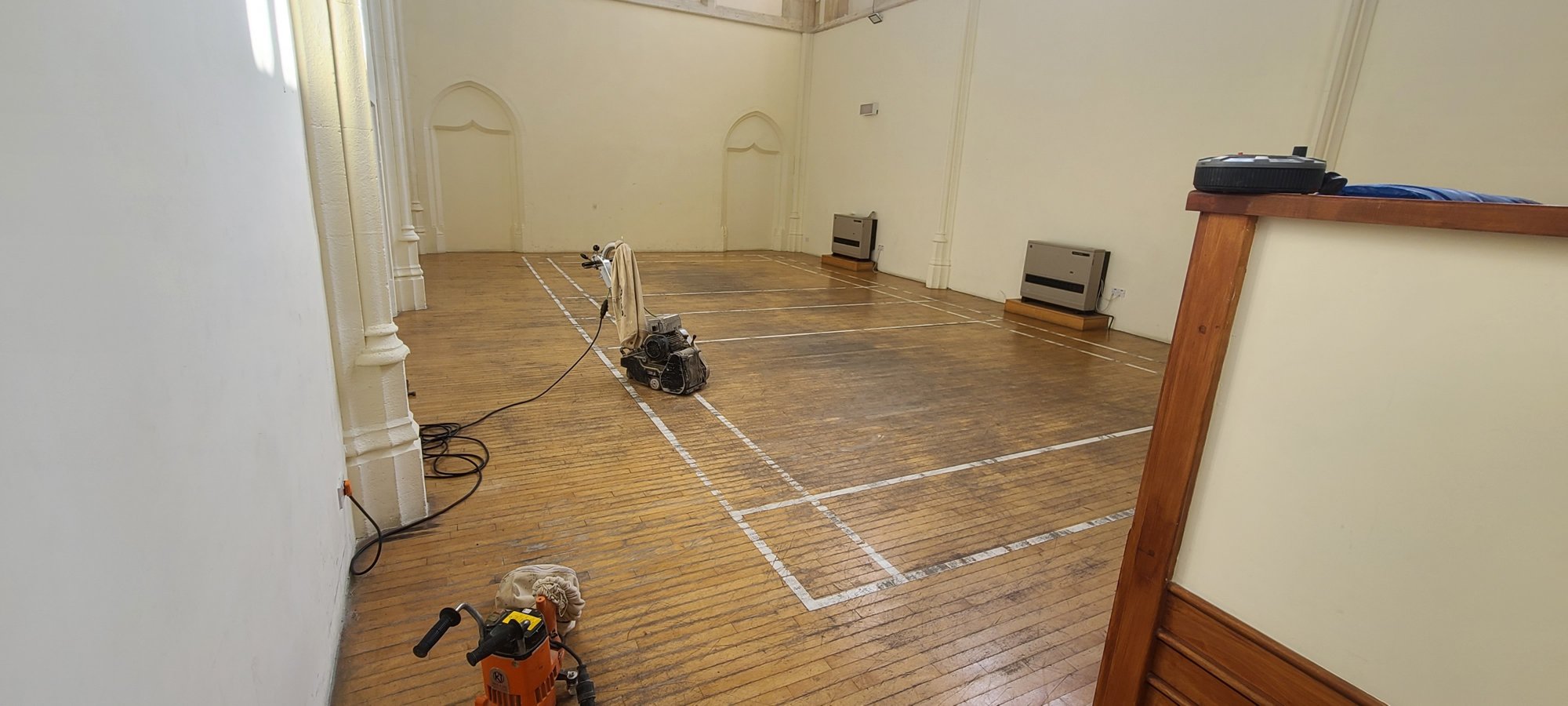
Loose, damaged or missing boards should be repaired before sanding begins.
We can secure unstable sections, replace damaged timber and prepare the surface so the finished floor looks more even and performs correctly.
Gap filling
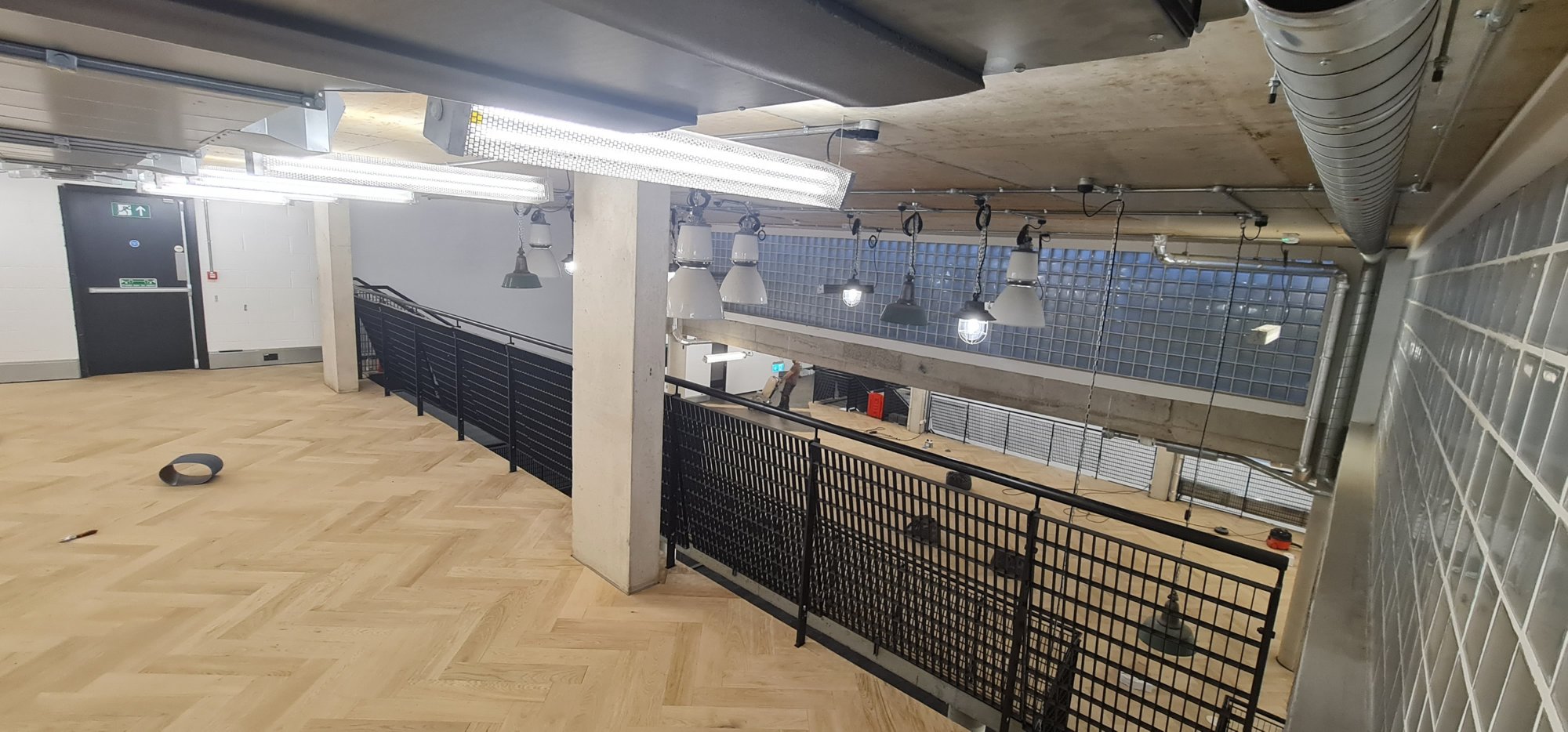
Gaps between floorboards can affect both the appearance and comfort of a room.
Depending on the floor, gaps may be filled using suitable timber strips or a specialist resin and wood-dust mixture.
Staining and finishing
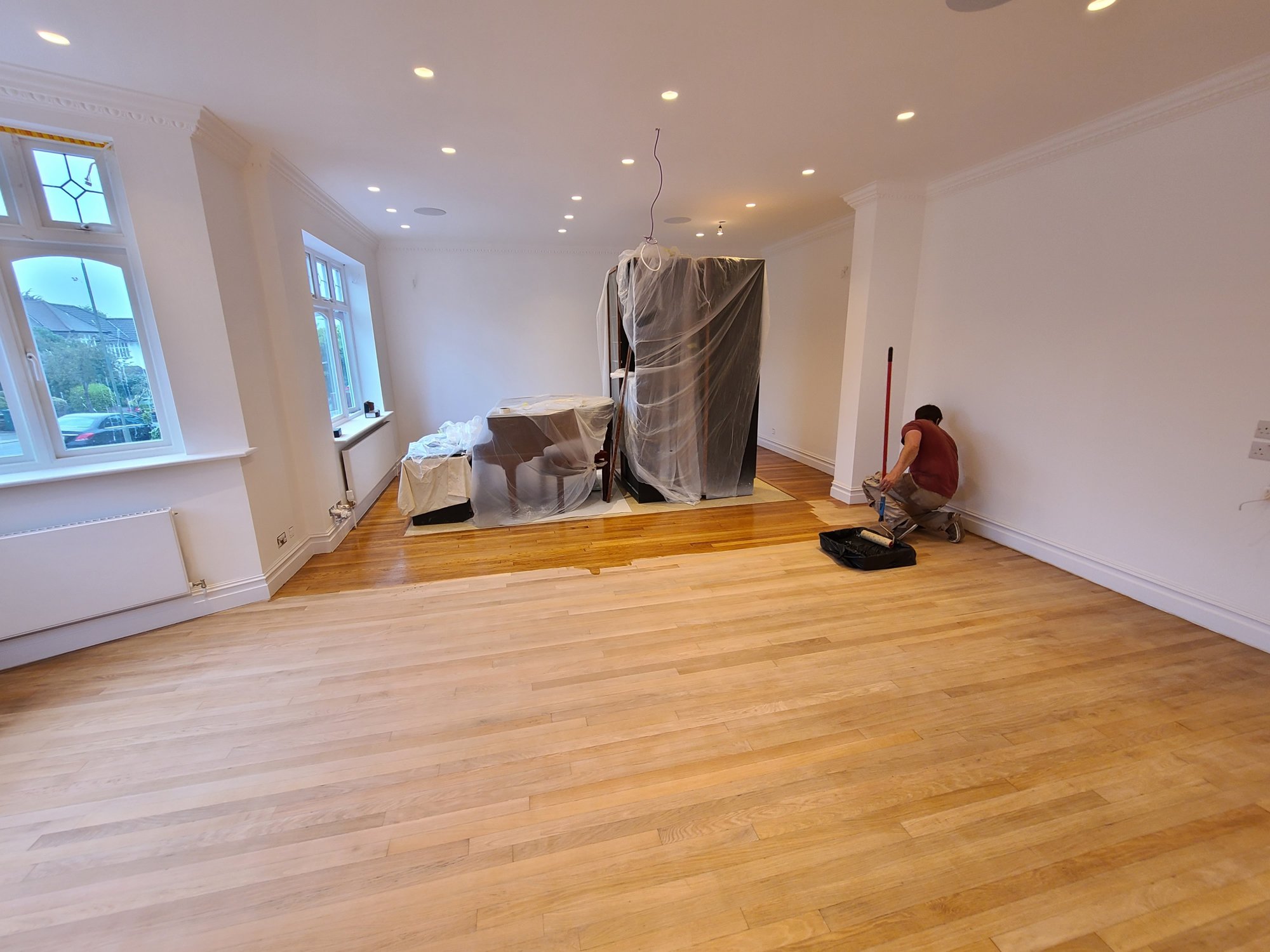
The final finish protects the floor and defines its colour, texture and overall appearance.
We offer natural oils, wood stains and hard-wearing lacquers in matt, satin or gloss finishes.
FLOORS WE WORK WITH
Restoration for different types of wooden flooring
Different floors require different sanding methods, repair techniques and finishing products.
FLOORS WE WORK WITH
Restoration for different types of wooden flooring
Different floors require different sanding methods, repair techniques and finishing products.
PROPER PREPARATION
Good results begin before sanding starts
Sanding alone cannot correct every problem in an old wooden floor.
Before work begins, we inspect the surface for loose boards, damaged timber, protruding nails, unstable parquet blocks and larger gaps.
Where required, repairs are completed first so that the floor is safer, more stable and better prepared for sanding and finishing.
- Loose boards secured
- Damaged timber replaced
- Missing parquet blocks repaired
- Nails checked and countersunk
- Gaps assessed and filled
- Surface prepared for sanding
THE FINAL FINISH
Choose the right colour and level of protection
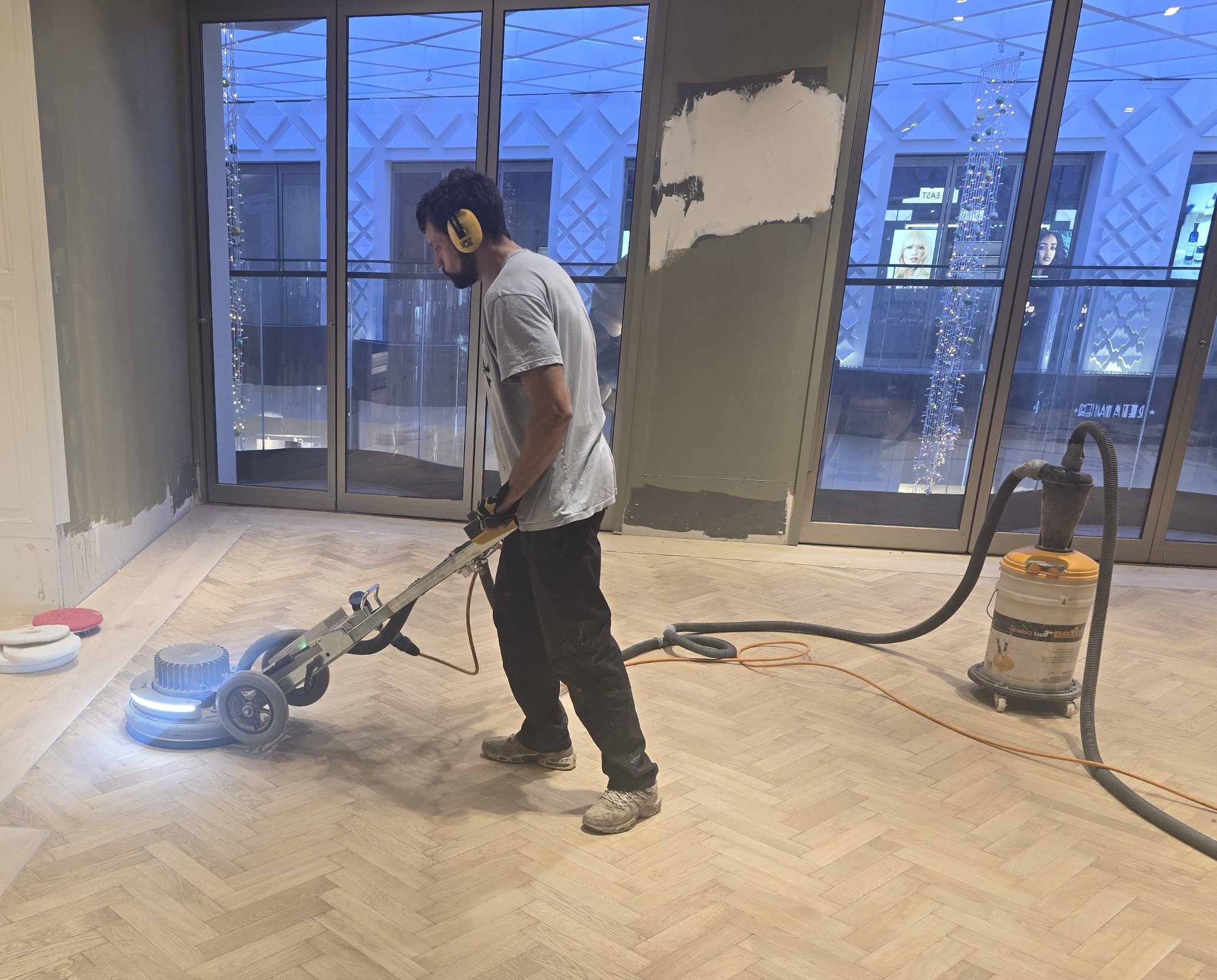
The finish affects how the floor looks, feels and performs over time.
We help clients select an option based on the type of wood, the style of the property and the expected level of use.
A PRACTICAL ALTERNATIVE
Restore your existing floor instead of replacing it
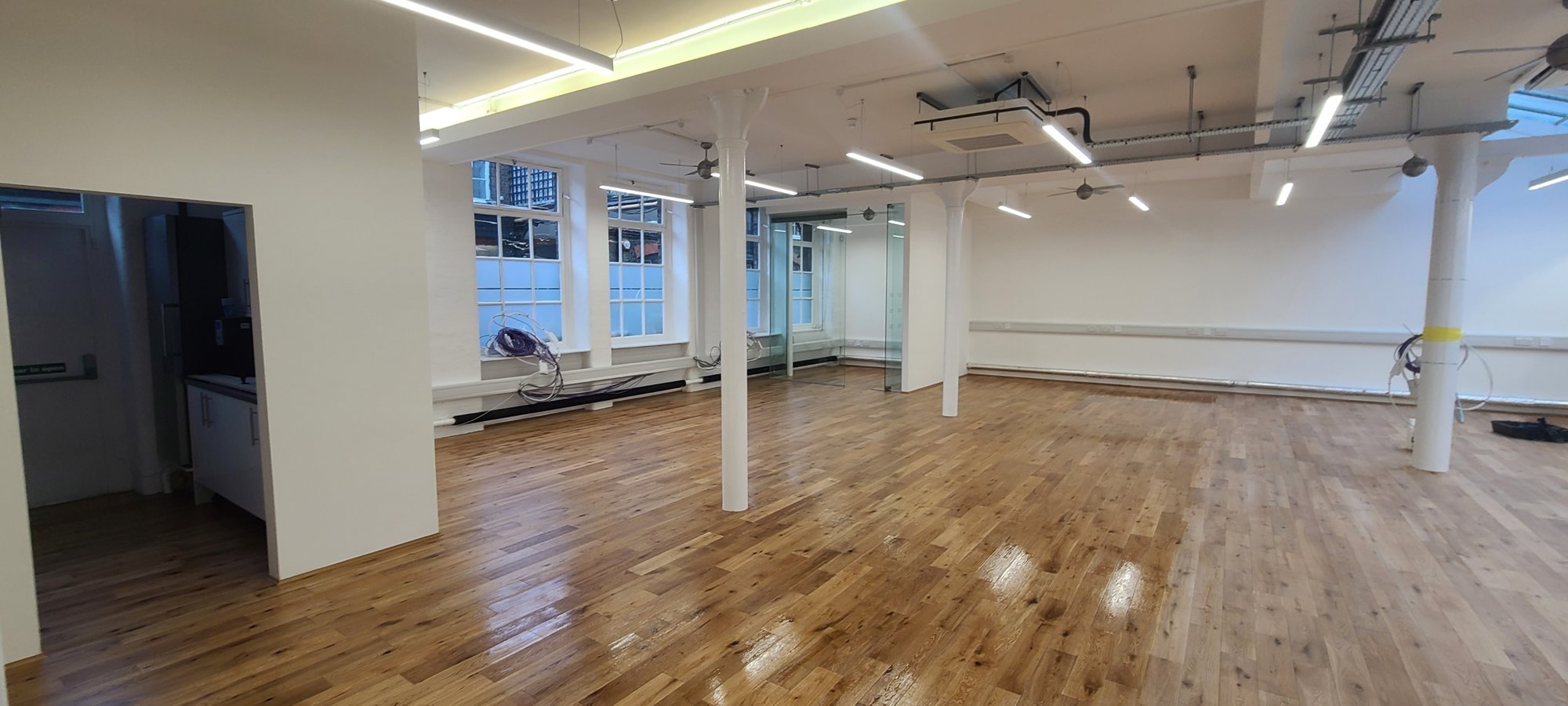
Many wooden floors that appear damaged or outdated can still be successfully restored.
Professional sanding removes the worn surface layer, while repairs and finishing improve both appearance and durability.
Restoration can help preserve original materials, retain the character of the property and avoid the unnecessary cost and disruption of complete replacement.
HOW WE WORK
A clear floor restoration process
Step
01
Assessment
We inspect the floor, discuss the required result and identify any necessary repairs.
Step
02
Preparation
Loose boards, damaged sections and other surface problems are corrected before sanding.
Step
03
Sanding
The floor is sanded in several stages to remove the old finish and create a smooth surface.
Step
04
Finishing
The selected stain, oil or lacquer is applied to protect the floor and achieve the required appearance.
READY TO GET STARTED?
Send us photographs of your floor today
Tell us where the property is located, what type of floor you have and what result you would like to achieve.
We will review your enquiry and contact you to discuss the most suitable next step.